Despite massive investments in digital marketing, many brands still struggle to achieve consistent, measurable results. From working closely with businesses across industries, one pattern appears repeatedly: the tools — it’s how they are used.
Modern digital marketing is complex, fast-moving, and tool-heavy. Without clarity and alignment, even the most advanced platforms fail to deliver impact. Understanding the most commonly ignored drawbacks is essential for building sustainable, long-term growth.
Tool Overload Without Strategy
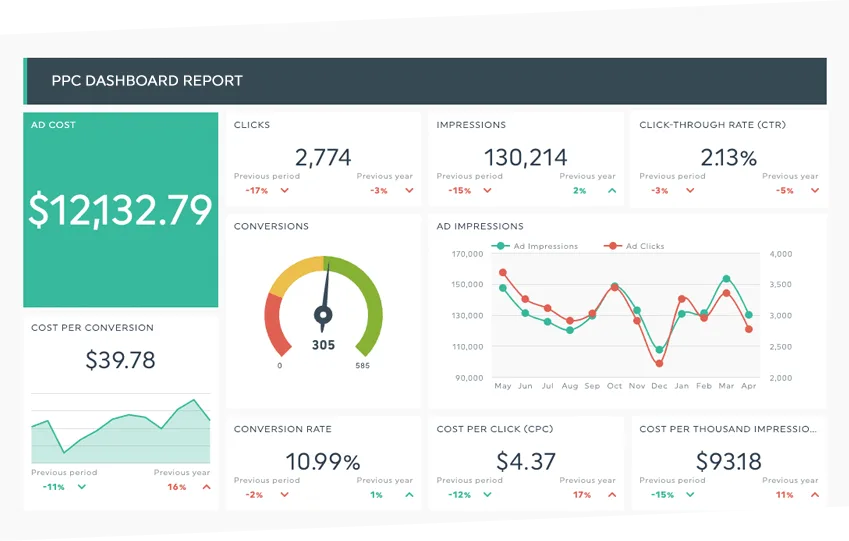
Brands often invest in multiple SEO, analytics, and automation tools without a clear strategy. Tools like AI platforms, CRM systems, and social media schedulers are powerful, but only when aligned with business goals.
Common mistake: Using tools for reporting instead of decision-making.

Chasing Trends Instead of Value
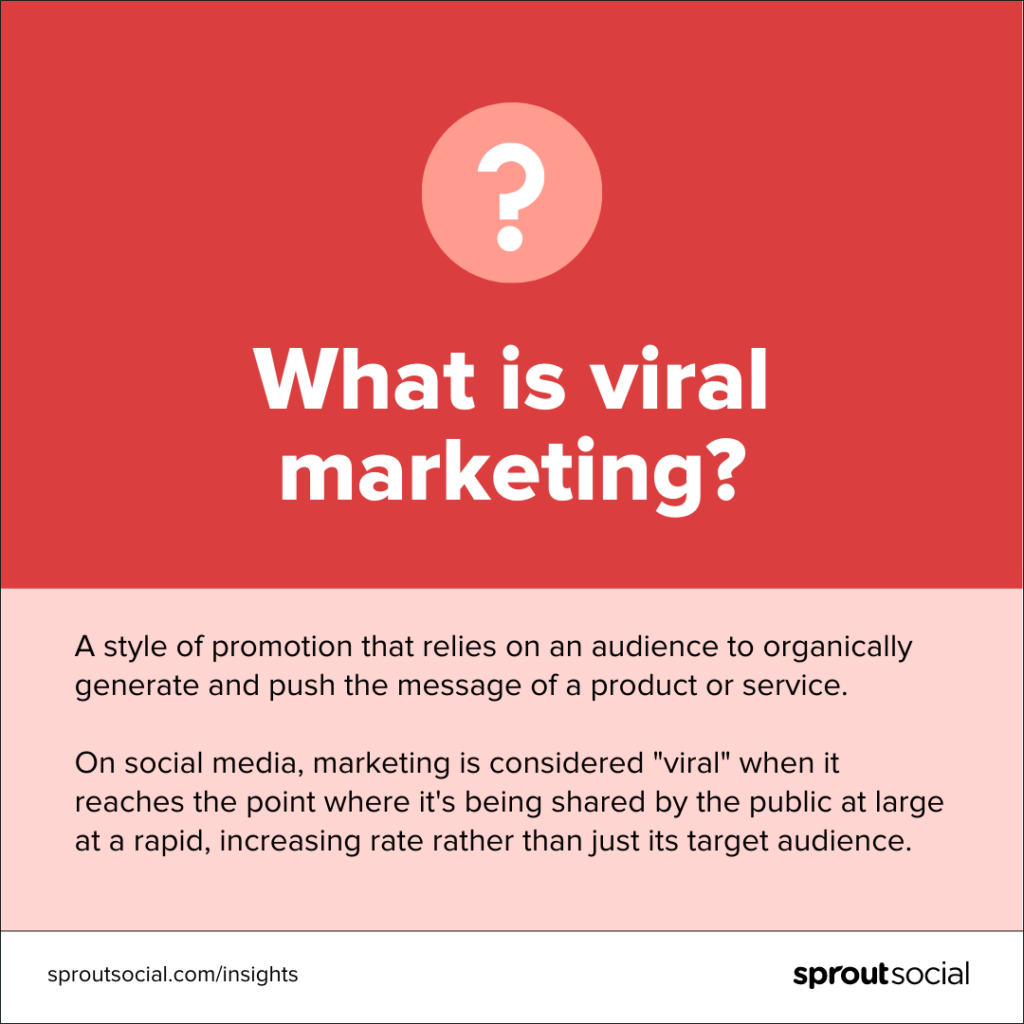
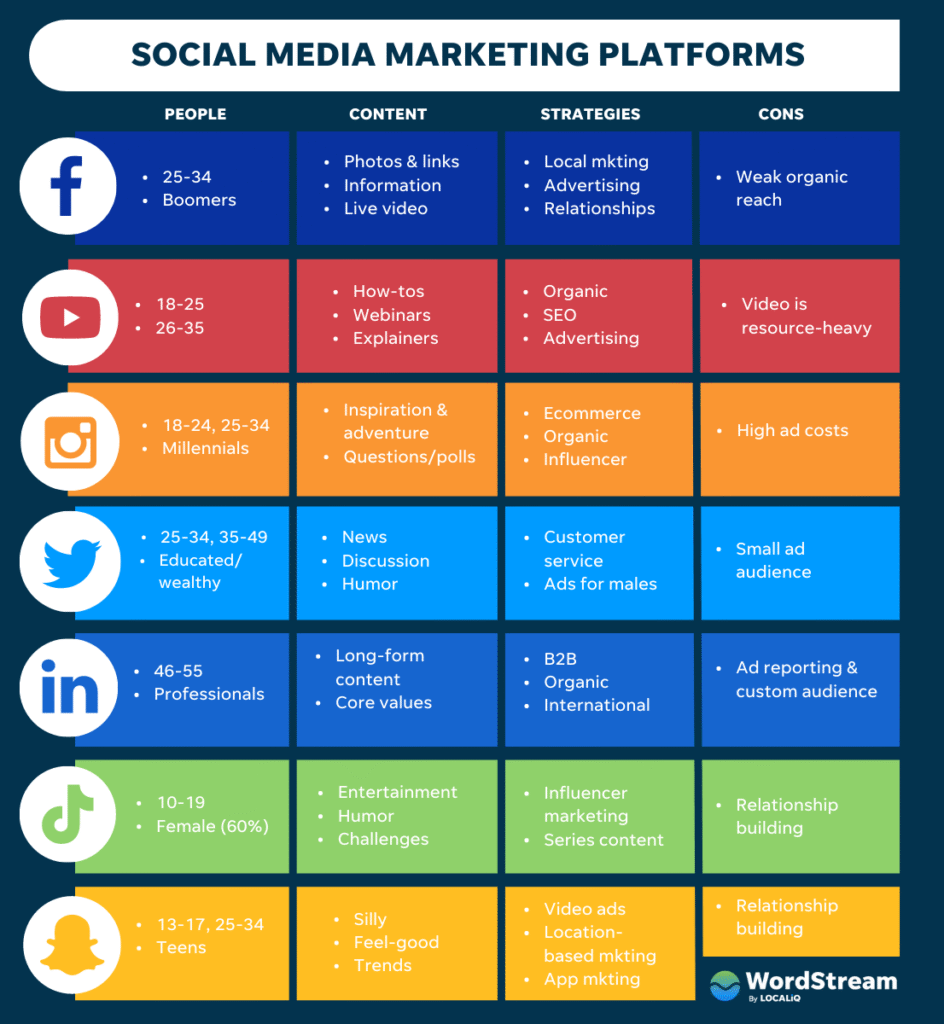
Short-form videos, AI-generated content, and viral campaigns dominate conversations. However, many brands adopt trends without understanding their audience or long-term impact.
Result: Inconsistent branding and low conversion rates.
Ignoring User Experience (UX)
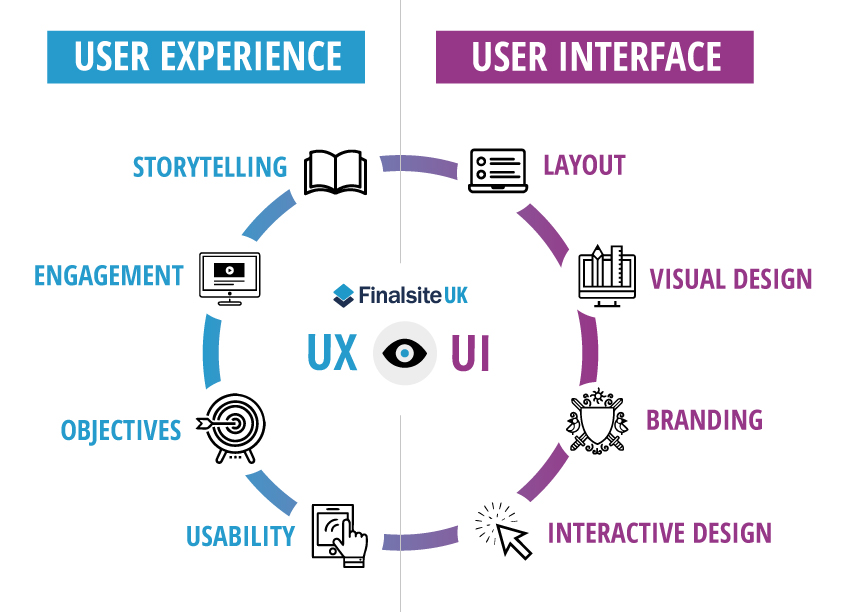
SEO and paid ads may drive traffic, but poor website UX kills conversions. Slow websites, unclear CTAs, and mobile issues are still common problems I see across industries.
Key insight: Traffic without experience optimization is wasted spend.

Lack of Cross-Channel Integration
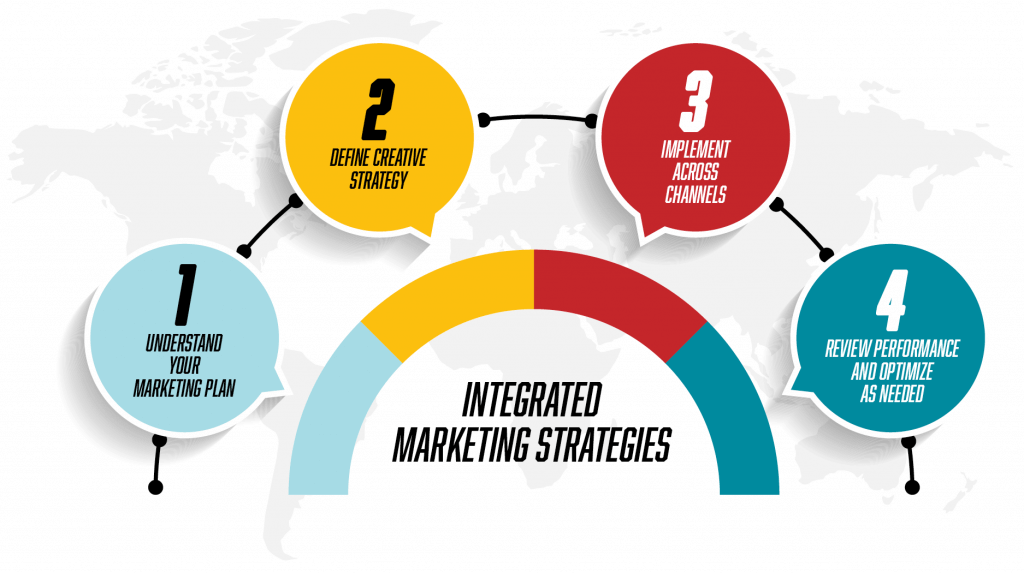
Digital marketing channels often operate in silos. SEO teams, social media managers, and paid ad specialists work independently, causing messaging gaps and inefficiencies.

Over-Reliance on AI Conten
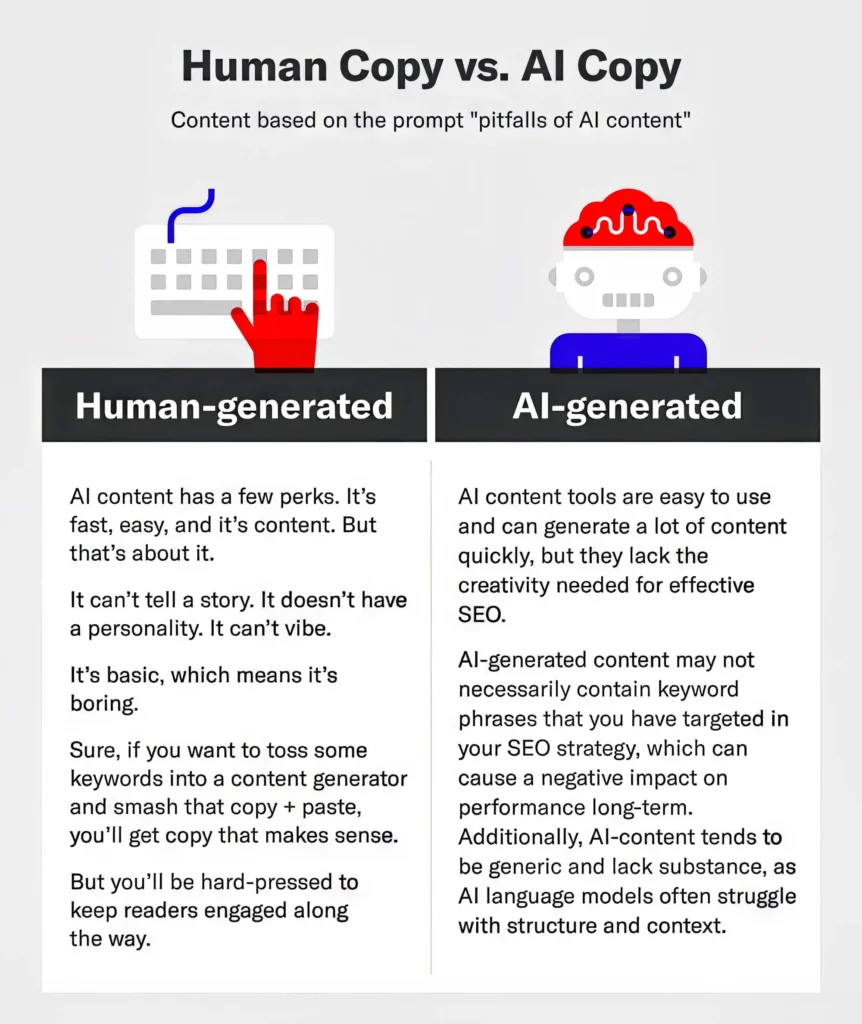
AI is a productivity booster, not a replacement for expertise. Brands publishing mass AI content without quality control face declining engagement and trust.
Actionable Steps for Brands
Build strategy before investing in tools
Validate trends against audience needs
Improve UX alongside traffic generation
Integrate SEO, social, paid, and content efforts
Use AI as support, not a shortcut